
Score More Hits for Less: Your Guide to Finding Cheap Ammo That Actually Shoots Straight
Cheap ammo is simply budget-friendly ammunition that gets the job done without emptying your wallet, and that value makes it a smart pick for casual target practice or plinking. It works the same way as premium rounds—feeding, firing, and cycling through your firearm reliably—while costing significantly less per box. The main benefit is that you can shoot more often and build better muscle memory without stressing over every shot’s price tag. For best results, just test a few budget brands in your gun to find one that feeds smoothly, then stock up on that favorite cost-cutting choice.
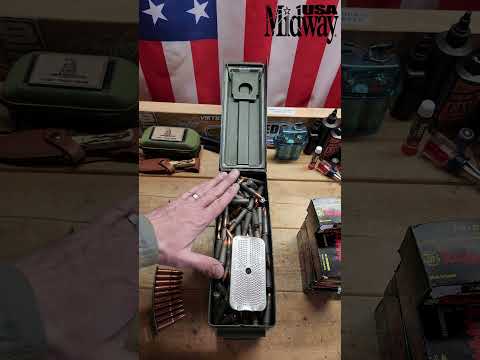
Stretching Your Dollar: A Practical Guide to Budget-Friendly Ammunition
Stretching your dollar starts with buying cheap ammo in bulk, ideally when prices dip to around 30 cents per round for 9mm, and storing it in airtight cans with desiccant packs to prevent corrosion. Focus on brass-cased, new-production budget brands like Blazer Brass or Federal Champion—they cycle reliably in most firearms, whereas steel-case options save you less than 10% but risk accelerated extractor wear. For practice, split your order: 80% ball ammo for drills and 20% higher-quality rounds for zeroing, ensuring your cheap ammo theory doesn’t undermine defensive accuracy. Monitor your local .243 Ammo for Sale gun forum’s “ammo deals” section daily and set a price-per-round alert on bulk sites, because a five-cent swing per round equals $50 saved per case of 1,000. Rebate seasons are your best friend, but always calculate shipping and tax before pulling the trigger—a $0.21 round advertised cheap ammo can become $0.28 at checkout. That’s the nuance most shooters miss: the cheapest box in the store is rarely the cheapest round downrange. Finally, reuse your packaging—cardboard boxes make decent reloading trays, and foam inserts protect loose cartridges during range trips, stretching every dollar you already spent.

What Exactly Makes a Cartridge Low-Cost Without Being Low-Quality?
A cartridge hits that sweet spot of low-cost without being low-quality when manufacturers make smart production choices, not dangerous shortcuts. You’re paying for efficient bulk manufacturing of simple, proven designs—like a basic round-nose bullet instead of fancy polymer-tipped projectiles—and using readily available brass and powder that don’t require expensive precision steps. The real trick is consistency: a cheap cartridge is fine if every single round has the same charge weight and seating depth, so your accuracy stays predictable. Look for brands that skip flashy packaging or nickel-plated cases, but still test their loads in-house, because a simple, uniform round simply costs less to make while still hitting your target reliably.
Steel Case vs. Brass Case: Where the Real Savings Come From
The real money in cheap ammo often hides in the case material, not the bullet. Steel case vs. brass case savings usually run 10–20% per box, which adds up fast if you shoot weekly. Steel’s cost advantage comes from cheaper tooling and materials, but you trade that for a few downsides. It won’t expand like brass to seal the chamber, so you get more carbon fouling and occasionally stuck cases. That said, most modern guns handle steel fine, and the savings often outweigh the extra cleaning time. If you’re just plinking or burning through practice rounds, steel is the clear winner. For reloading or precision work, brass is still worth the premium—but for pure budget stretching, steel wins every time.
Understanding Bulk Packing, Remanufactured Rounds, and Surplus Deals
Understanding bulk packing, remanufactured rounds, and surplus deals starts with recognizing their distinct cost structures. Bulk packing typically means loose or boxed ammo without individual packaging, offering the lowest per-round price for consistent plinking or training. Remanufactured rounds are factory-inspected, reloaded cartridges with new primers and powder, providing reliable function at significant savings, though you should verify headstamp consistency for your firearm. Surplus deals involve military-overrun ammunition, often sealed in crates, which can be exceptionally cheap but .260 Remington Ammo for Sale may have corrosive primers requiring immediate cleaning. To maximize value: understanding bulk packing, remanufactured rounds, and surplus deals requires checking lot numbers, testing a small sample first, and storing non-corrosive types properly.

- Assess your storage capacity before buying bulk.
- Confirm remanufacturer’s warranty or replacement policy.
- Inspect surplus for visible corrosion or damaged seal.
How to Buy Affordable Rounds Without Sacrificing Performance at the Range
To buy affordable rounds without sacrificing performance, prioritize **cheap ammo** that uses proven projectiles like full metal jacket (FMJ) or plated bullets, as these deliver reliable accuracy for drills. Focus on bulk purchases of **budget-friendly brands** that maintain consistent primer seating and powder charges, avoiding mystery reloads. Check muzzle velocity and group size data from independent shooters, not just box labels, to confirm cheap ammo matches your defensive load’s point of aim. Buy in case quantities from warehouse retailers to slash per-round cost, but rotate stock quarterly to prevent moisture or corrosion from degrading performance. Stick to the same grain weight as your carry ammo to keep recoil impulse and sight picture unchanged, ensuring practice translates directly to real-world shooting. Skip gimmick “range packs” with mixed lot numbers—consistent lot code is your guarantee of affordable ammunition that cycles reliably.
Identifying the Best Calibers for Everyday Plinking and Practice on a Budget
When identifying the best calibers for budget plinking, prioritize round-nose .22 LR for ultra-low cost per trigger pull, but move to 9mm if you train with a centerfire defensive gun. For .22 LR, compare bulk-packed 36-grain hollow points against standard-velocity solids; the latter often cycle semi-autos more reliably, saving you from malfunctions that waste ammo. In 9mm, select 115-grain FMJ flat-base loads over boat-tails, as they deliver adequate accuracy at 10–25 yards while costing less than match variants. Avoid exotic calibers like 5.7x28mm or .327 Federal, where savings vanish. Stick to mainstream offerings—.380 ACP only if your platform is subcompact—since volume discounts apply best to high-production rounds.
Matching Budget Bullets to Your Firearm: Pressure Ratings and Reliability Checks
Before stacking cheap ammo, verify its pressure rating against your firearm’s SAAMI specifications. Budget loads, especially remanufactured or imported rounds, may exceed or dip below standard chamber pressures, risking case head separations or malfunctions. Check the box for +P or +P+ designations; only run these in guns explicitly rated for them. Next, perform a reliability check: load a full magazine, cycle rounds by hand, and measure overall length against your chamber’s max. Fire ten test shots, inspect primers for flattening (overpressure) and case rims for extractor gouges. Reject any lot that fails to feed or extract consistently, regardless of price.

Always match pressure ratings to your firearm’s specs and run a test batch before bulk-buying budget ammo; reliability screening prevents costly failures.
Using Ammo Comparison Tools and Price-Per-Round Calculators Effectively
To buy cheap ammo without sacrificing performance, rely on ammo comparison tools that aggregate listings from multiple retailers, filtering by caliber, bullet weight, and type. Always use a price-per-round calculator to convert bulk case prices into a true unit cost, which exposes hidden value differences between 20-round boxes and 500-round cases. Compare shipping fees into the final calculation, as a low sticker price can be negated by heavy freight charges. Prioritize tools that allow you to set a target price per round for your specific load, ensuring you never overpay for range-grade ammunition. This systematic approach ensures every purchase maximizes your budget while maintaining consistent ballistics for practice.
- Filter comparison results by grain weight and projectile material to match your firearm’s preferred performance profile.
- Use a price-per-round calculator that includes shipping and tax to see the true delivered cost.
- Set price alerts for your target load to catch price drops immediately, avoiding impulse buys on overpriced stock.
Smart Storage and Handling Tips to Maximize the Life of Inexpensive Cartridges

To get the most from budget-friendly rounds, smart storage and handling tips to maximize the life of inexpensive cartridges start with a stable, low-humidity environment. Keep cheap ammo in sealed, airtight ammo cans with desiccant packs, avoiding temperature swings that cause condensation. Rotate your stock—use older boxes first—to prevent long-term pressure on primers. Handle cartridges by the rim or case body, not the bullet tip, to avoid seating issues. Inspect for green corrosion or dented cases before loading; discard flawed rounds. Avoid storing loose rounds in a mag, as spring tension and friction can deform soft, low-cost brass. Finally, wipe off light surface oxidation with a dry cloth, but never oil the primer or powder. These simple, routine practices ensure your economical purchases remain reliable for range days or emergencies.
Managing Moisture and Temperature for Non-Corrosive and Corrosive Primers
For inexpensive ammunition, temperature stability directly dictates primer longevity, with moisture being the primary catalyst for corrosion. Non-corrosive primers still degrade from humidity; store them in sealed ammo cans with desiccant packs, keeping the environment below 50% relative humidity. Temperature swings cause condensation inside the package, so avoid attics or garages. Corrosive primers (typically surplus or budget imports) leave hygroscopic salts that actively pull moisture from the air, accelerating rust on brass and steel cases. After firing, neutralize the residue with water or a water-based solvent within hours. For storage, apply a thin oil film to primers’ surface and maintain a consistent 60–70°F range to prevent thermal cycling. Follow this sequence:
- Cool the ammo to room temperature before opening a sealed container.
- Add silica gel packs and seal in 6mm ARC Ammo for Sale a zip-lock bag.
- Place inside a hard case, then store in a climate-stable closet.
- For corrosive types, open only to shoot, and immediately reseal after use.
Proper Rotation Habits: Using Older Stock First to Avoid Misfires
When loading your range bag, practice first-in, first-out rotation so older cartridges fire before newer ones. Cheap ammo often uses less stable propellants, which degrade faster when stored for months or years, increasing misfire risk. Before opening a fresh bulk box, check your existing stock’s headstamp or purchase date—if uncertain, mark the box with a permanent marker on arrival. Stack older boxes on top or front of your shelf, and physically relocate them to your shooting bag first, not the shiny new batch. This habit ensures every round gets used within its reliable window, drastically cutting duds caused by prolonged, uncontrolled storage. Ignoring rotation means your “savings” become squibs or click-no-bangs at the range.
Q: How quickly can improper 7.5×55 Swiss Ammo for Sale rotation cause misfires in budget ammunition?
A: Depending on humidity and temperature, poorly rotated cheap ammo can start showing ignition failures within 12–18 months, whereas rotated stock typically remains dependable for 3–5 years. Always burn the oldest lot first to stay ahead of chemical degradation.
Spotting Signs of Cheap Ammo Gone Bad—Duds, Squibs, and Coating Issues
When inexpensive cartridges degrade, the first observable sign is a dud or delayed ignition, where the primer fails to strike or the report sounds weak—indicating moisture-compromised powder. A squib, however, presents as a muffled pop with reduced recoil and a projectile lodged in the barrel; stop firing immediately if the slide fails to cycle. Coating issues appear as flaking, sticky residue, or greenish oxidation on the case mouth, which can cause feed ramps to bind. Often, visual case discoloration precedes functional failure by weeks, making inspection before loading critical. Tap the .223 Ammo for Sale base of a suspect round against a hard surface; a dull thud rather than a metallic ring suggests powder degradation. Always verify each round’s bullet seating depth—protruding bullets signal crimp loss.
Q: How do you distinguish a squib from a dud during live fire?
A: A dud produces no bang or a faint click with zero movement, whereas a squib yields a quiet pop, slight recoil, and a stuck bullet — immediately drop the magazine and clear the bore.
Optimizing Your Shooting Session Around Low-Cost Loads
Building your whole range trip around cheap ammo means treating every round as deliberate practice, not just noise. Start by zeroing your optic with the low-cost load you’ll actually shoot, since point of impact can shift compared to pricier defensive rounds. Then, split your session into short, intense drills—five rounds for trigger control, five for grip—instead of burning through a brick sloppily. Cheap loads reward slow, measured cadence because they often have inconsistent velocity, so a 3-second pace between shots helps you read each recoil impulse and correct flinches. Q: Is it worth mixing expensive ammo in? A: Only one mag at the end to confirm zero, but the bulk of your 6mm Creedmoor Ammo for Sale session should stay cheap to build repeatable fundamentals without wallet fatigue.
Adjusting Your Sights and Zero for Velocity Variations in Value Packs
When shooting budget-friendly value packs, velocity variations between lots are inevitable, so expect your point of impact to shift and treat your initial zero as a starting point, not a constant. To counter this, first fire a five-shot group from a rested position to establish a baseline at your primary distance, then adjust your sights for the group’s center. Next, chronograph a few rounds if possible; a 50 fps swing will move your bullet’s trajectory noticeably at 100 yards, demanding a correction of roughly one moa. Finally, re-zero each time you open a new box from a different lot, and record the sight setting for that specific batch. This disciplined method ensures consistent accuracy with budget ammunition, turning price-driven variability into a manageable variable.
- Fire a baseline group to read the current zero.
- Adjust sights to match the velocity profile of the new lot.
- Confirm with a second group and log the setting for future use.
Cleaning Regimens That Counteract the Dirtier Burn of Budget Propellants
Budget propellants often leave a tacky, carbon-heavy fouling that accelerates in the bore and bolt face. To counteract this, adopt a solvent-soak cleaning regimen immediately after range sessions, allowing penetrative oils to break down the stubborn residue before any mechanical scrubbing. Prioritize a wet-bore patch soaked in a copper-dissolving solvent, letting it dwell for ten minutes to soften the baked-on stripped casing sealant that mixes with propellant ash. Use a nylon brush for the chamber and lugs, avoiding abrasive compounds that can strip finish on inexpensive firearms. Switch to a high-flashpoint CLP for lubrication afterward, as budget powders tend to leave hygroscopic salts that attract moisture and rust. A bore snake with a solvent-impregnated cord between strings of shots can also reduce cumulative buildup, keeping accuracy consistent over longer sessions.
Counteracting dirty budget propellants relies on prompt solvent 9x23mm Winchester Ammo for Sale soaking, targeted dwell time, and bore-snake maintenance between groups to prevent carbon and sealant buildup from degrading accuracy and lockup.
Practicing Drills That Emphasize Volume Shooting Without Wasting a Single Round
To maximize value from budget ammunition, volume shooting must prioritize intentionality over sheer bulk ammo for sale round count. Drills that emphasize volume shooting without wasting a single round hinge on structured repetition of fundamentals—draw, sight alignment, trigger press—at close range (3–7 yards) where misses are diagnostic, not acceptable. A viable sequence: first, shoot single-shot reps on a small target to confirm each round’s placement; second, escalate to two-round bursts with a cadence that maintains sight picture; third, incorporate reloads between strings to mirror defensive use. Track hits per magazine, not speed. If a round lands outside the A-zone, pause and correct the mechanic—this transforms cheap ammo into actionable feedback rather than noise.
Answering Common Queries About Discounted and Clearance Ammunition
When shooters ask about discounted and clearance ammunition, the core concern is always whether rock-bottom pricing signals hidden defects. The answer is straightforward: clearance ammo typically means overstock, discontinued packaging, or seasonal inventory—not degraded powder or faulty primers. Retailers lower prices to move volume, not to dump unsafe rounds. Inspect the box for intact seals and corrosion-free brass; if the cartridge looks clean, it shoots clean.
Your cheapest box is only a bargain if the primer ignites on the first strike.
For cheap ammo seekers, the smartest query isn’t “why so low?” but “what’s the lot date?”—recent production from a known brand outperforms old premium stock. Magnetic steel-cased clearance rounds save money but wear extractors faster, so match them to a rugged rifle. Finally, always buy enough clearance stock to test a sample of twenty before committing to a case—that confirms function without wasting the savings on a bad headstamp batch.
Is It Safe to Shoot Bulk Ammo Purchased Online from Discount Retailers?
Buying bulk ammo online from discount retailers is generally safe, provided you stick to reputable sellers with positive, long-term feedback. The key concern isn’t the price, but the storage history—ammo that’s been exposed to extreme heat or moisture can cause pressure spikes or failures. Before loading up, check the manufacturer’s lot number and look for 7.62 Tokarev Ammo for Sale any signs of corrosion, dents, or loose primers on a few sample rounds. Inspecting your bulk ammo upon delivery is the best habit to avoid squib loads or misfires. If the retailer has clear return policies and fresh stock turnover, you’re usually getting the same quality as a local store.
- Test a small batch (20–50 rounds) for function and accuracy before relying on it for serious use.
- Store bulk ammo in a cool, dry place—avoid garage floors or car .22-250 Ammo for Sale trunks that invite condensation.
- Compare the box’s manufacturing date; older stock from a discount site isn’t automatically bad, but it needs closer inspection.
- Stick to well-known brands even if they’re discounted—no-name mystery ammo is the real risk online.
Can You Reload Spent Casings from Cheapest Rounds to Make Your Own?
Reloading spent casings from the cheapest rounds is often a false economy in the quest for affordable reloading components. The bargain brass is frequently steel, aluminum, or Berdan-primed, making it non-reloadable; even if it’s Boxer-primed brass, it may be brittle after multiple firings. You risk split necks or case-head separations, wasting powder and primers. Cheaper to buy once-fired brass from a reputable source than gamble on unknown, low-cost casings. Can You Reload Spent Casings from Cheapest Rounds to Make Your Own? Yes, but only if you verify the brass type, inspect for damage, and are willing to discard a high percentage—which often negates the initial savings.
Q: Can You Reload Spent Casings from Cheapest Rounds to Make Your Own?
A: Technically yes, but only if they are Boxer-primed brass; steel or aluminum cases will destroy your dies, and Berdan primers require special tools. Even then, cheap rounds often use thin, work-hardened brass that fails after one reload, so your per-round cost rarely drops below buying new budget ammunition.
What’s the Real Difference Between New Production and Factory-Refurbished Budget Loads?
New production budget loads come straight from fresh components, giving you uniform brass, consistent powder charges, and reliable primers—ideal for training or zeroing. Factory-refurbished loads, however, are assembled from once-fired brass or pulled bullets, meaning remanufactured ammunition can carry slight dimensional variance. That variance rarely hurts plinking accuracy but may cause occasional feed hiccups in tight chambers. Check for visible dents or corroded primers before buying. The real trade-off is predictability versus price per round, not safety. If you want dependable cycling for a defensive drill, pay a few cents more for new; if you’re burning through cases at the range, refurbished saves cash.
- Inspect refurbished rounds case-by-case for cracks.
- Test a small batch first to verify chambering.
- Reserve new loads for critical applications.